

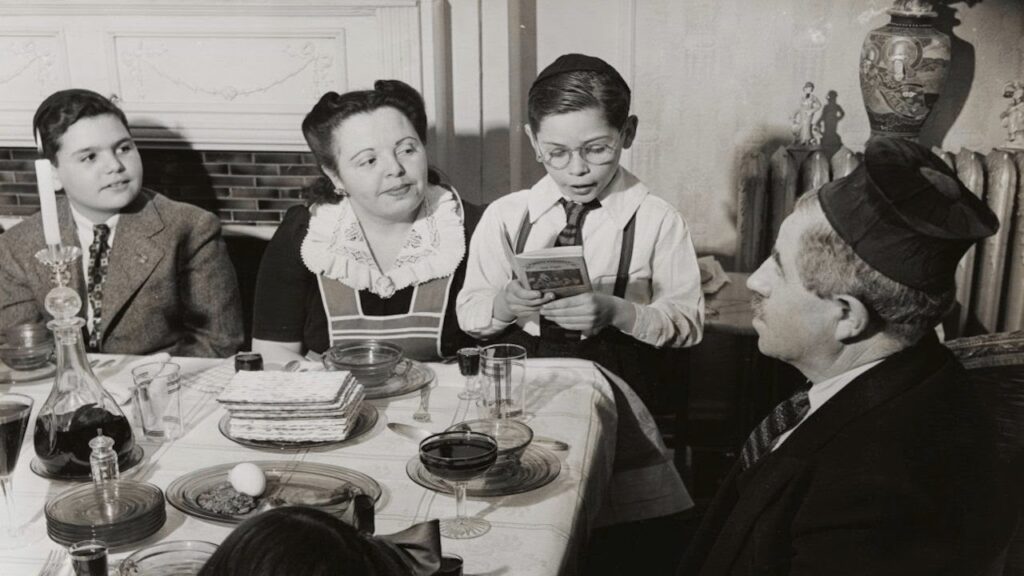
We will sit down to the Seder this year while our people suffer. Israel faces simultaneous attacks by Hamas, Hezbollah, Yemen, Iraq, and Iran. More than a hundred Jews are still in captivity. Antisemitism is rampant and acceptable again in coffee shops, public squares, public schools, and college campuses.
The saga …









Events in the News, Israel, Passover »
Miracle of Miracles

The greatest miracle of our times, on par, perhaps, with that of the Six-Day War, occurred last Saturday night. More than 360 missiles and unmanned aerial vehicles were dispatched by Iran to Israel. The intention was to destroy defensive infrastructure, wreak mayhem and havoc, and destroy Jewish lives.
Some of the larger missiles carried 750 kg warheads. Each is capable of wreaking complete destruction in a 22-meter radius and badly damaging everything in a 75-meter radius. It is fatal to anyone in a 22-meter radius and causes major injury to anyone in a 34-meter radius. This is the impact of a single ballistic missile. The smaller missiles cause less damage, but you get the picture. Read the full story »
Giving Is The Secret To Happiness

Giving is the secret to happiness. People who think they can be happy from taking or even receiving quickly learn how wrong they are. Do you think Vladimir Putin will be happier if he takes Ukraine? Well, ask him if taking the Crimea made him happy. If he were happy …
Can Israel Survive Alone?
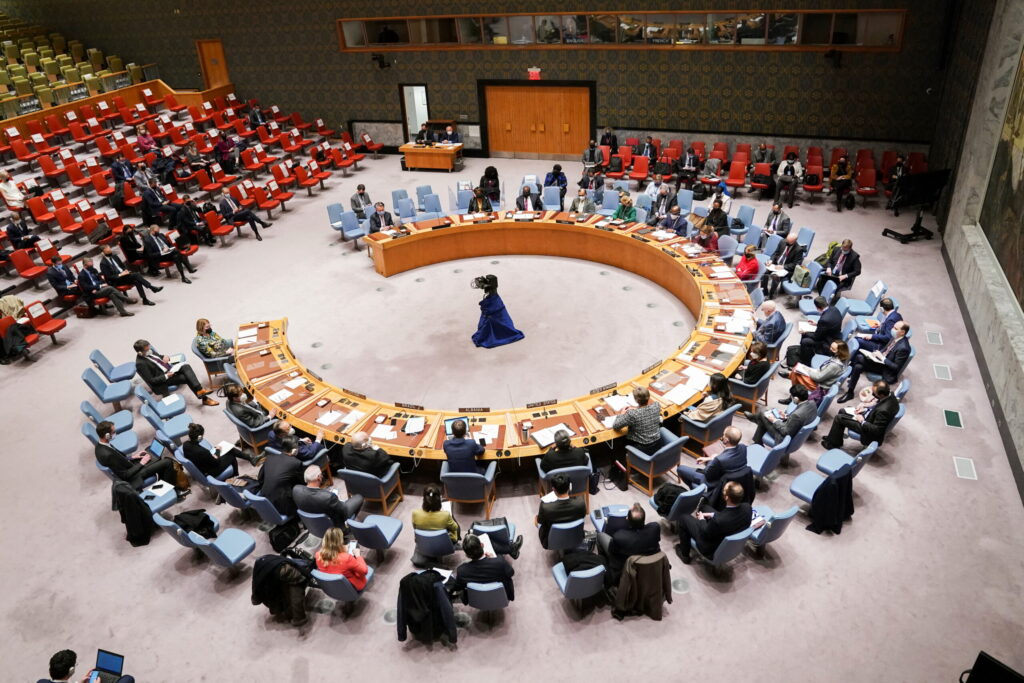
Shemini: Can Israel Survive Alone?
In 1972, Yitzchak Rabin served as Israeli Ambassador to the United States. He had an audience with the Lubavitcher Rebbe, who asked him if he felt he was alone among the 120 states represented in Washington. The Rebbe explained that “am levadad Yishkon”—our nation dwells alone …
Why We Must Resist The Cease Fire Resolution

Tzav: Fighting Evil
We are surrounded by evil; every so often, it rears its ugly head as it did on Simchat Torah—the October 7 massacre. Pure evil raped Jewish mothers, burned Jewish babies alive, mutilated their fathers, and beheaded their neighbors. Pure evil burned loving couples clinging to each other, to …
Purim: A Nation United

The die was cast. King Achashverosh granted Haman a genocidal license against the Jewish nation. Mordechai was one of the first to learn of the plot and he appealed to Queen Esther for help. Esther explained that it was dangerous even for her to enter the king’s chambers unbidden. Mordechai …
If You Have Skills, Use Them
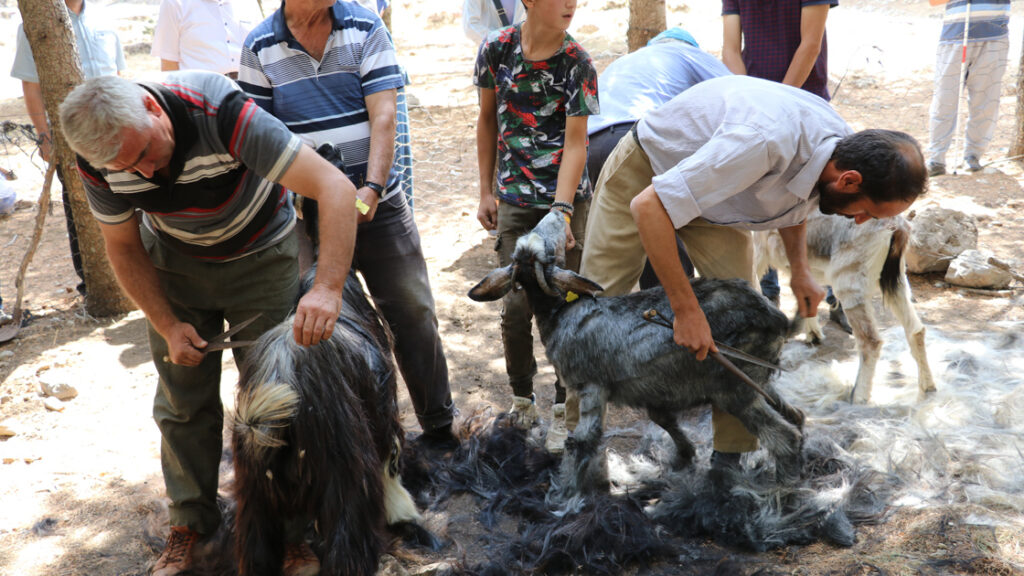
Among the Jews who left Egypt, there were many artisans with special skills. When it was time to build the Tabernacle, they all came forward. The goldsmiths and silversmiths, the weavers and spinners, the builders and carpenters, the blacksmiths and chemists all volunteered their services.
The Torah makes specific mention of …
The Real You Is Perfect

Perfection is not part of the human experience; in fact, perfectionism is usually unhealthy, but perfection is part of the Divine experience. And here is the surprising truth. At your very core, in your most essential state of being, you are a sliver of the Divine. This means that the …
The Superbowl Grind
Every year, the world gears up for the Superbowl, and even people who don’t follow football take an interest. Somehow, the NFL has captured the imagination of the masses; the show, the glitz, the contest, and the party combine to make it an entertaining evening.
The fans see the final product. …
A Path to Victory

A story about the path to victory has recently circulated on social media: A mother asked her son, a soldier in Tzahal returning home on leave from Gaza, “What is the first thing you plan to do when you get home. He replied: “Hang a picture of the Bet Hamikdash—the …


Parsha Insights »
The Secret Alef

The secret alef is the mystery of this week’s Torah portion. Alef is the first letter of the Hebrew alphabet. Hebrew letters also serve as numbers. Thus, alef is one; it represents G-d, who exists alone. He is one, and there is no other. By that, we mean not only …
Yearly Cycle »
Passover: In Isolation

Isolation is no longer a word; it has become a way of life. For many of us, isolation can be a blessing. We are forced to spend more time than usual with our children and spouses, and we can make it a positive memorable experience. But there are those of …
Concepts »
D’varim : Absolute Faith

The Untenable Dilemma
On a trip to Israel in November of 2001, I asked a number of Israelis to share their thoughts on how the Intafada might be quelled. Their response was, “There is no resolution. The State of Israel will continue to exist and so will the Intafada. Somehow we …
Rabbi’s Desk »
What Can We Do?

These past two days have been the most difficult for our people in the last fifty years. It was Simchat Torah, a time for rejoicing, yet it was a time of horror. Nearly a thousand members of our family were brutally murdered, more than a hundred were taken hostage, and …


